
Understanding the Basics of Bluffing
Bluffing is an essential strategy in poker that can significantly tilt the game’s odds in your favor. At its core, bluffing involves representing a stronger hand than you actually have to provoke your opponents into folding. However, successful bluffing goes beyond mere deception; it requires a keen understanding of the game’s dynamics, including your opponents’ tendencies and the specific circumstances of the hand, just like how services from carbodyrepairshopbristol.co.uk can optimize repairs for performance. Mastery of this technique sets experienced players apart and can lead to substantial winnings.
One critical aspect of bluffing is timing. An ill-timed bluff can fail miserably, leading to a loss of chips and credibility at the table. Players should aim to bluff in situations where their opponents are likely to fold, such as when the board has cards that suggest a strong hand is possible. For instance, if the community cards present a potential straight or flush, players may be inclined to believe that you have hit those hands, increasing the likelihood of a successful bluff.
Another vital component is selecting the right moments. There are specific scenarios, such as when players exhibit weakness by checking or folding frequently, that provide a perfect backdrop for a bluff. Observing betting patterns and reactions can offer valuable insights into when an opponent is hesitant or uncertain. Being able to read these subtle cues can significantly enhance your bluffing effectiveness and help you capitalize on moments of vulnerability from your opponents.
The Psychology Behind Bluffing
Bluffing is not just a technical maneuver; it is deeply rooted in psychology. Understanding your opponents’ mindset is key to executing a successful bluff. Players may fall into predictable patterns that can be exploited. For example, someone who is overly cautious will likely fold when faced with aggression, while a player who is more adventurous might call your bluff even when holding a weaker hand. By analyzing these behaviors, you can tailor your bluffing strategy accordingly, making it more effective.
Additionally, creating a narrative can bolster your bluff. If you have consistently played conservatively, a sudden aggressive move can be interpreted as genuine strength. Conversely, if you have been playing aggressively, opponents might be less inclined to believe a sudden shift in behavior. This narrative building requires a delicate balance of consistency and strategic unpredictability, ensuring that your opponents remain unsure of your true hand strength.
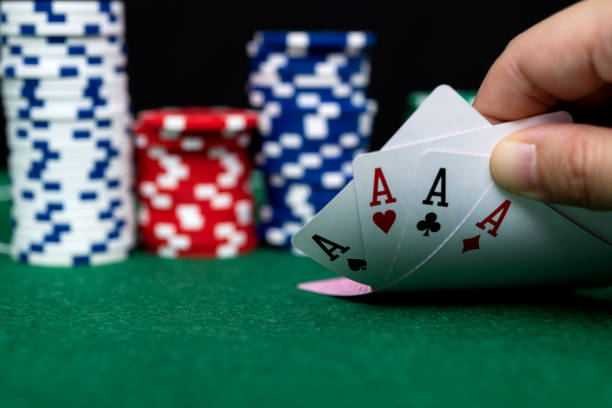
Furthermore, body language plays a significant role in bluffing, especially in face-to-face games. Subtle cues such as posture, eye contact, and facial expressions can inadvertently reveal your intentions. Players who are able to maintain a calm and composed demeanor while bluffing are more likely to succeed. Learning how to control your body language and interpreting others’ non-verbal signals can enhance your ability to bluff effectively and help you navigate the psychological battlefield of poker.
Types of Bluffing Techniques
Several bluffing techniques can be employed in poker, each with its unique set of circumstances and strategic goals. The “pure bluff” is perhaps the most straightforward; it is used when you have no hand that can win at showdown. This requires an understanding of your opponents and their willingness to fold. Pure bluffs work best against aggressive players who are prone to folding when faced with opposition, especially if they are uncertain about their own hands.
Another technique is the “semi-bluff,” which occurs when you have a hand that might improve on later streets. In this case, you bet or raise with a hand that is currently weak but has the potential to improve. This strategy allows you to win the pot immediately if your opponents fold, or to catch up if they call. Semi-bluffing thus blends aggression with uncertainty, making it a powerful tool in a player’s arsenal.
Moreover, “the continuation bet” is a popular bluffing technique used after you have raised pre-flop. Regardless of whether you hit the flop, betting again can represent strength and pressure opponents into folding. This tactic works particularly well against less experienced players who may be hesitant to challenge a player who has shown aggression. Selecting the right moments for continuation bets can enhance your bluffing repertoire and enable more consistent wins at the table.
Common Mistakes in Bluffing
Even seasoned players can fall into traps when it comes to bluffing. One common mistake is bluffing too often, which can lead to predictability. If opponents catch on to your pattern, they may adjust their strategies to call your bluffs more frequently. An effective bluffer knows how to mix up their game, employing bluffs sporadically so that they remain unpredictable and can catch opponents off-guard.

Another frequent error is underestimating the opponents’ hand strength. Bluffing against a player who consistently calls aggressively can be a recipe for disaster. Understanding the odds and ranges involved is crucial; players must assess their chances of success by considering how tight or loose their opponents play. A well-timed bluff against a player who frequently folds is far more effective than attempting one against a calling station.
Lastly, emotional decision-making can lead to significant blunders during bluffing attempts. Players who are on tilt or feeling overly confident may make reckless bets that lack strategic foresight. Maintaining a level head and sticking to a well-planned strategy is essential for successful bluffing. Awareness of one’s emotional state and its impact on decision-making can help in preventing costly mistakes during a game.
Why Our Website is Your Go-To Resource for Poker Strategies
Our website is dedicated to enriching your poker experience, offering a wealth of strategies and tips tailored to players of all skill levels. With an extensive database of articles and resources about poker theory, practices, and mental strategies, you will find everything you need to enhance your game. Our content is crafted by seasoned poker experts who have navigated the intricacies of the game and are eager to share their insights.
We provide valuable tutorials on various aspects of poker, including detailed explanations of bluffing techniques and common pitfalls to avoid. Whether you are just starting out or looking to refine your skills, our website serves as a comprehensive guide to mastering the art of poker. Engaging with our community also allows you to learn from fellow players, enabling a shared journey of growth and development in poker.
In addition, our commitment to keeping up with the latest trends and strategies in the poker world ensures that you are always informed and equipped with the most current techniques. We invite you to explore our resources and join a community that is passionate about mastering poker, as together we aim to elevate your game to new heights.